
This month, once again I saw signs that renewed my optimism about the future of our community and restored my confidence that a new season is coming.
Spring Practice
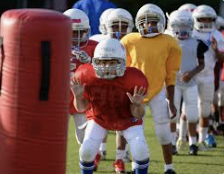 During the past few weeks some middle schools have engaged students in their first spring practices. Eighth grade. A time of learning, growing, just beginning to figure out what life is all about. In most competitive sports that require physical endurance, strength and commitment (insert football, soccer, basketball, volleyball…) initial practices consist of drills and exercises focused on conditioning and are designed to see if the players can “take it’. Will they be able to work hard and sustain themselves not just for a few practices, but every day over a long season?
Coaches lead drills and exercises that often seem unrelated to the sport itself. Up-downs, wind sprints, push-ups, sit ups, running up and down bleachers. Often coaches are loud, seemingly aggressive, pushing players to work hard and do their best. All this in the name of conditioning, but more importantly with the intention of making decisions. While coaches watch and evaluate players’ abilities and willingness to work hard, the players must evaluate themselves as well. Do they have the determination, perseverance and desire to do the work when the real season begins? Can they get past the drudgery of conditioning to enjoy the rewards of actually playing the games?
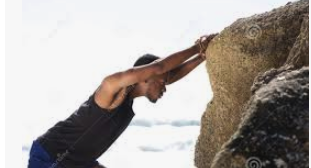 Spring practice reminds me of the story we have shared before about pushing the immovable rock. Where the effort exerted on a daily basis without apparent results (the rock does not move) simply develops strength and discipline. Young players come to understand that simple drills become the fundamentals for playing the game. When done right, coaches can use spring practice to prepare young folks for the larger challenges that will confront them as they grow to be adults. A wise and caring coach once told a player, “the things you really want are just beyond ‘hard’”. Do the work. Don’t complain. The results will come.
Brick Walls
 In his book, The Last Lecture, Randy Pausch offered lessons of life for his children. He described the “brick walls” that we encounter between ourselves and the things we want. He concluded, “The brick walls are there to stop the people who don’t want it badly enough.” Spring practice. Hard work. Fatigue. Dirt. Verbal challenges from coaches. All can be bricks in the wall. The questions. Are you willing to push forward and find a way over, around or through? To reach your goal? Do you want it badly enough? Players can find the answers that will serve them as adults. Every day, society seems to be building brick walls and putting them between us and the things we want. Peace. Civility. Justice. Cooperation.
Don’t Worry About Tomorrow
What can we learn from our children? Above all, they are resilient. They will exhaust themselves on a practice field one day, then get up and do it again the next. They learn to let yesterday go and not worry about tomorrow. (Therefore, do not worry about tomorrow, for tomorrow will worry about itself. Matthew 6:34) Focus on today. Run one drill. Then another. Then another… Soon the days will be full of accomplishments.
Make Your Bed
Another point of optimism. This month Admiral William McCraven, Navy Seal, professor and author released a new book entitled Duty, Honor, Country and Life. I remembered how in 2014 the Admiral gave a now famous commencement speech known affectionately as the “Make Your Bed Speech.” Exploring the theme of how the graduates could change the world, he started by telling them to make their bed. Every morning, start by doing one thing and doing it right. He explained that doing that one thing will give you a sense of pride. It will encourage you to do another. Then another. And another. After accomplishing that one task, you will be led to accomplishing many more each day. Move forward. And when the next morning comes, do it all again. That is how we begin to change the world. Start by doing one thing right.
In his new book, Admiral McCraven suggests that the American spirit is still alive and well. On his recent book tour, Admiral McCraven has said that he believes there are many, many folks who still believe in this country. There are many who still believe in duty, honor, country and life. He believes that people still want to do the little things every day to make sure our way of life endures.
We teach our children that sometimes life is hard. We often teach by using seemingly unimportant tasks…. football drills, making beds, speaking politely, being courteous. But it is by pushing those rocks that we build the strength and resilience to move beyond “hard” to run through the walls and find the things we want. Those lessons have stood the test of time. Today, if we have a vision of what we want our community and world to be in the new season, we have to want it bad enough to confront the obstacles that stand in our way.
In their first practices, kids are taught how to be teammates. How to build relationships. How to accept all those who want to play. How to support each other. How to communicate. How to encourage each other. How to focus on one play at a time. To help everyone over the brick wall for the good of the team. Young players listen and follow because they have hope. Middle schoolers still believe that all things are possible. They believe a new season and a fresh beginning comes every year. (Weeping may last for the night, but joy comes in the morning Psalm 30:5.)
As adults we might do well to follow their example. Maintain our friendships. Love our neighbors. Practice patience. Work hard. Be perseverant. Believe in the future. Hope is a good thing. But hope is not a strategy. In order to get where we want to be, we need to do the work. Every day. Small tasks and large. Easy and difficult. One at a time. They become the stepping stones that help us climb the walls.

Make your bed and I’ll make mine. We’ll meet again when the season begins.