During the Christmas holiday break, we attended our annual family movie. This year we saw the recent release of Wicked For Good.
Appreciating the Lessons
Whether intended as a l earning experience or not, as I watched through the eyes of Coach Jeff, I witnessed another portrayal of lessons that we should pass on to our children. When we leave the theaters, good movies conjure up feelings of empathy for those characters who were oppressed. Likewise, we are energized by the heroic characters who stood up and changed things “for the good”. So, this time I wondered. Why do we leave those feelings in the theater with the empty soda cups and spilled popcorn; and fail to apply what we felt to situations we encounter in our “real” lives?
I’ll admit I am frustrated that we have to keep addressing these lessons over and over. But as the new year begins, I am inspired once again to hang onto those feelings and encourage others to do so as well. Among the several lessons revealed in this film, two seem especially relevant to me as I begin my journey through 2026.
Lesson #1: Seeing Diversity through Different Eyes
In this Wicked sequel, again we see the cast as an assembly of unique and beautiful people and creatures. From the Munchkins to the People of Oz to Glinda to Elphaba to the animals and the flying monkeys. The film allows us to see the splendor in the diversity. My Christmas gift was to simply appreciate it.
The most obvious example of diversity is Elphaba. Known to many as the Wicked Witch of the West. Her skin is green. And for that reason, she is ridiculed, feared and ostracized. Because of the way she is treated by others she begins to doubt and resigns herself to being wicked. On a large movie screen in Colorado, the lesson was once again clear and simple. Why do we fear others just because they LOOK differently? I dare say. Isn’t that reaction just stupid? That we would judge others by that one criterion? I am concerned that children who are ridiculed and made fun of begin to perceive themselves as inferior or unworthy, too.
By the end of the movie Elphaba has shown us that beautiful can come in shades of green as well. When we see with “different eyes”, we see that beauty comes in many colors. The movie audience sees that beauty and embraces her. Isn’t that a feeling we should take with us? And share with our children?
Lesson #2: Bullies on the Playground
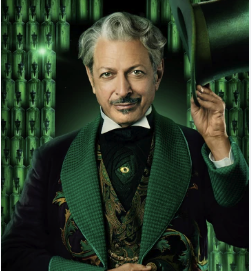
In the beginning of this fantasy, the animals were able to speak and were an active part of the society. However, through his trickery, the Wizard had their voices taken away. The animals were isolated so they could not interact with others. Without voices, the animals could not be heard. The Wizard accuses the animals as threatening to the people of Oz. They lost their places in society. In the end, we learn that in order for people to see him as good, the Wizard wanted to position some group as “evil”. He confessed that he believed the best way to bring the people of Oz together and follow him, was to “give them a real good enemy.” The animals.
 For ages, children have seen this scenario play out on the playground. Based on size, strength, popularity or other element of privilege, a self-appointed bully convinces his followers that a group of children should be the object of their disdain. Often it is a group that is weaker physically or has less friends for support. Like the animals in Oz, the oppressed are different in some obvious way. They wear glasses, have freckles, have different skin color, or they are often smart enough to answer the hard questions in class. In Oz, the animals were isolated by being caged. On the playground children are isolated when excluded from games and activities. (Mean Girls. We’ve heard this lesson before.)
The bully asserts himself as the one who can protect the larger group. A power move as old as time. Like the Wizard of Oz, power is often accomplished with smoke, mirrors, lies and bluster. He manipulates others to participate in his scheme. Until the bully is confronted and revealed for what he is, the power continues. Hopefully, at some point core values will unite the other children and they will rise up against the bully. But, left unchecked, bullies will take their misguided ways from the playground into adulthood.
Standing Up
Yes, it was a movie. Yes, it was a fantasy. But, art can imitate real life. The lessons were easy to understand. It was reinforcement of the values I believe in. That we all believe in. Everyone is beautiful in their own way. Look for beauty through different eyes. Everyone deserves equality. Stand up for others. Don’t give into bullies. This movie is at least a conversation starter about those values. So, we shouldn’t leave them in the theater. Every day there are similar tools we can utilize to teach our children what “good” is all about. Books, stories, experiences. What are we waiting for?
Changed for the Good
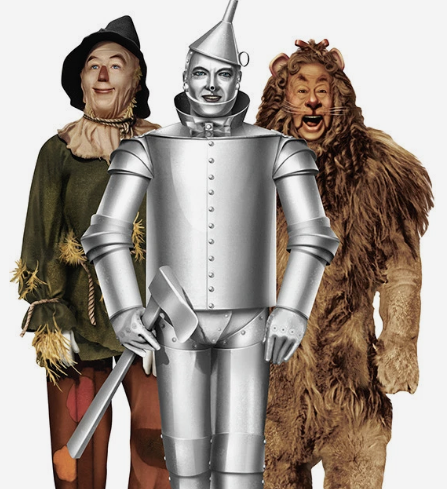
The song goes, “Oz never did give nothing to the tin man that he didn’t already have.” Like the tin man and the scarecrow, we don’t need anyone to give us the gifts we already have. We all have brains to think and hearts big enough to love others. Like the once-cowardly lion, we must simply believe we can face our own fears and do the right thing. To hold on to those feelings of equality, empathy, advocacy and courage as we move from imagination into our reality. A good story can be a parable to remind us of our responsibility. To live our lives so that one day our children will be able to say, “Because I knew you, I have been changed for the good.”